
Gatsby's Dream of Daisy
The Great GatsbyTraces Jay Gatsby's obsessive pursuit of Daisy Buchanan, from his youthful romance to the purchase of a mansion across the bay.
increasing Bearing strength in each event
 decreasing
Bearing strength in each eventdecreasingGatsby and Daisy's Youthful Romance
Gatsby and Daisy's Youthful Romance
The Meeting
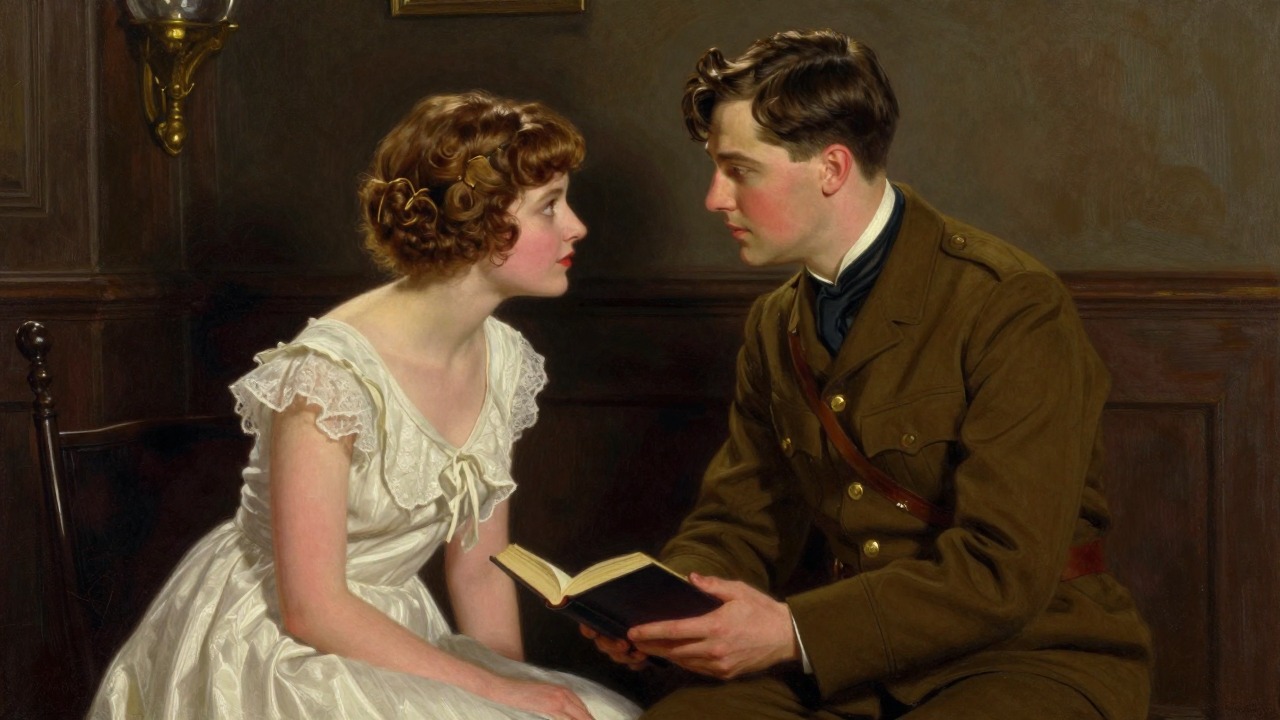
In the autumn of 1917, a young officer named Jay Gatsby, then known as James Gatz, met Daisy Fay in Louisville. She was a beautiful, wealthy debutante, and he was a penniless soldier from North Dakota. Despite the social chasm, they fell deeply in love. Gatsby was captivated by her charm, her voice, and the luxurious world she represented. Daisy, in turn, was drawn to his intensity and the mystery surrounding him.
The Idyllic Autumn
They spent idyllic days together, walking through the streets of Louisville, driving in her white roadster, and attending dances. Gatsby, who had reinvented himself, let her believe he was a man of means. He was determined to win her, but the war intervened. He was sent overseas, and their romance was interrupted.
The Parting
Before leaving, Gatsby and Daisy shared a poignant afternoon. They sat together, holding each other, knowing that the war would separate them. Gatsby promised to return, but the uncertainty of the future loomed. Daisy's letters became increasingly desperate, but Gatsby could not come back quickly. The memory of that autumn became the foundation of his dream.
Gatsby's Post-War Obsession
Gatsby's Post-War Obsession
The Lost Years
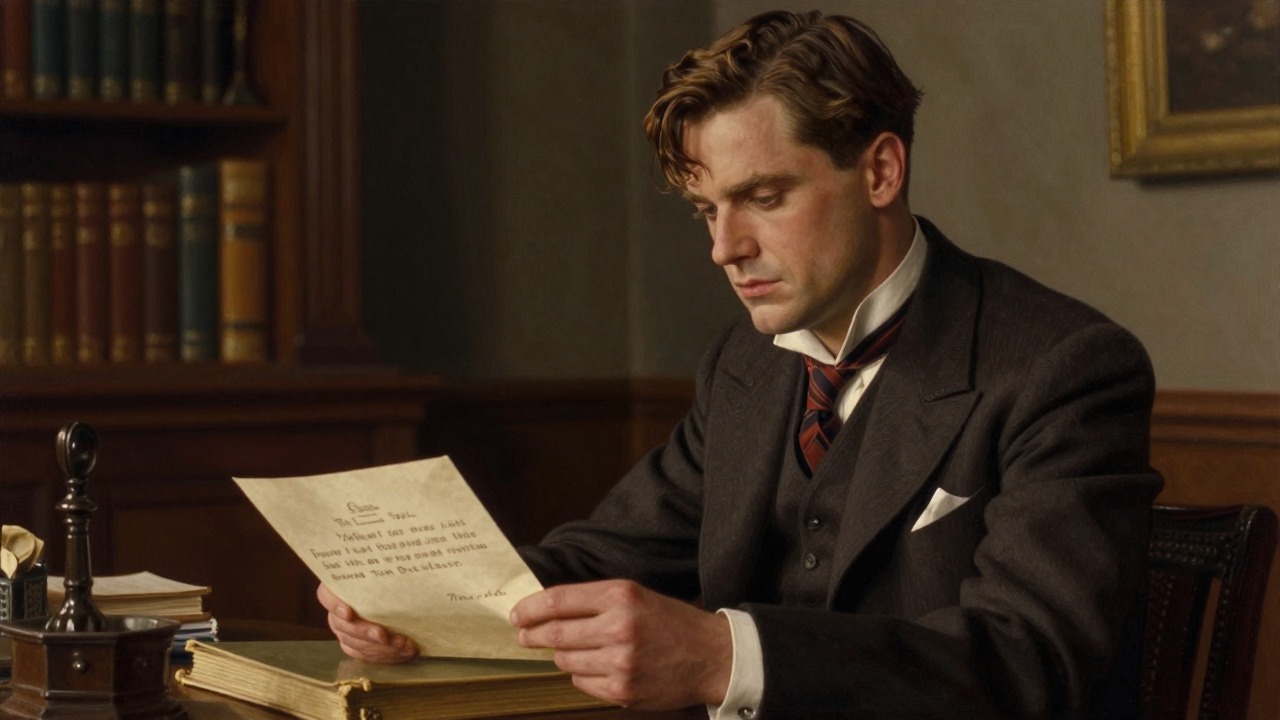
After the war, Gatsby was sent to Oxford for five months. While there, he received a letter from Daisy revealing that she had married Tom Buchanan. Devastated, he returned to America, determined to win her back. He spent years amassing wealth, driven by the belief that money could erase the past and reclaim Daisy.
The Criminal Path
Gatsby entered the world of organized crime, working with Meyer Wolfsheim to build a fortune through bootlegging and other illegal activities. He was not interested in the money itself, but in what it could buy: the ability to re-enter Daisy's world. His mansion in West Egg, with its lavish parties, was a monument to his obsession.
The Green Light
Gatsby bought a house directly across the bay from Daisy's East Egg home. Every night, he would look out at the green light at the end of her dock, a symbol of his dream. He believed that if he could become rich and powerful enough, he could recapture the past and make Daisy his again.
Gatsby's Reunion with Daisy
Gatsby's Reunion with Daisy
The Arrangement
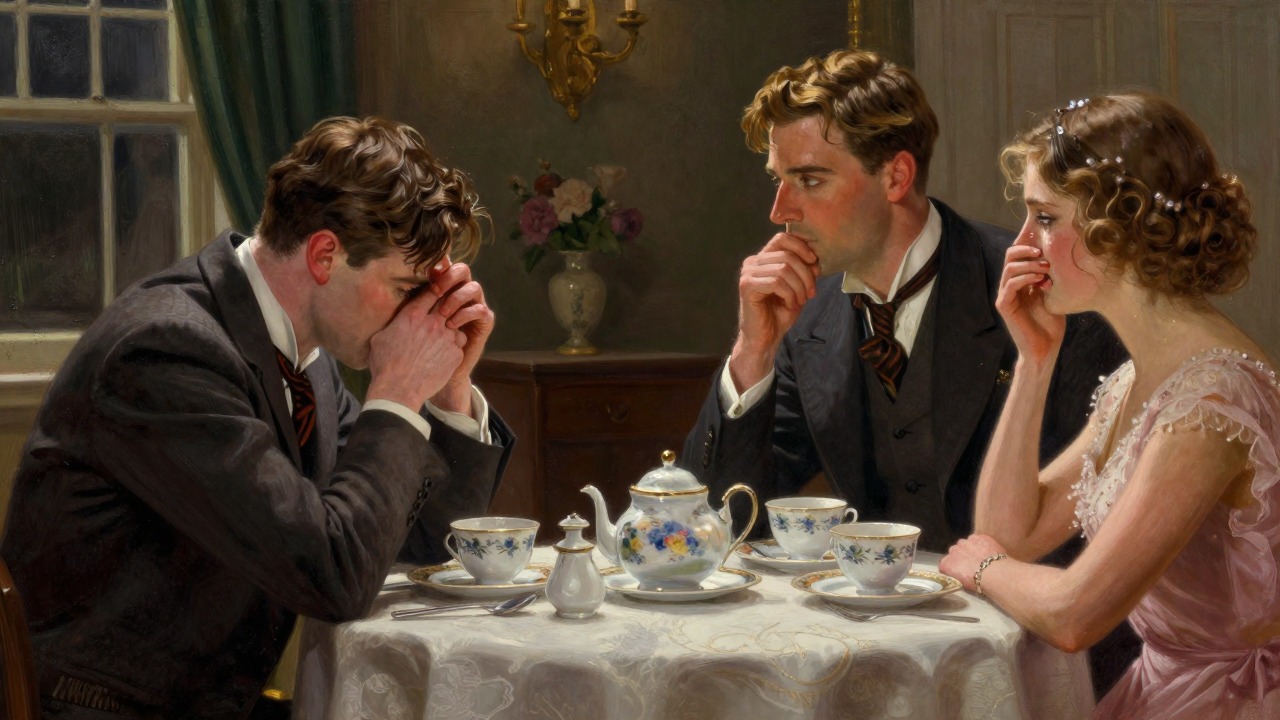
Through Nick Carraway, Gatsby arranged a tea at Nick's modest house. He was nervous, pale, and sleepless. When Daisy arrived, Gatsby's initial awkwardness melted into a radiant glow. The reunion was emotional, with Daisy in tears, and Gatsby glowing with renewed hope.
The Tour of the Mansion
Gatsby took Daisy and Nick on a tour of his mansion, showing off his wealth: his lavish rooms, his imported shirts, his swimming pool, and his hydroplane. He was desperate to impress her, to prove that he was worthy of her. The shirts, in particular, moved Daisy to tears.
The Green Light Fades
Standing at the window, Gatsby pointed out the green light at the end of Daisy's dock. But now, with Daisy physically present, the light lost its symbolic power. The dream seemed to be realized, but Gatsby sensed a hollowness. He had spent five years chasing an illusion, and the reality of Daisy could never match the perfect image he had constructed.
The Love Triangle Confrontation
The Love Triangle Confrontation
The Tension Mounts
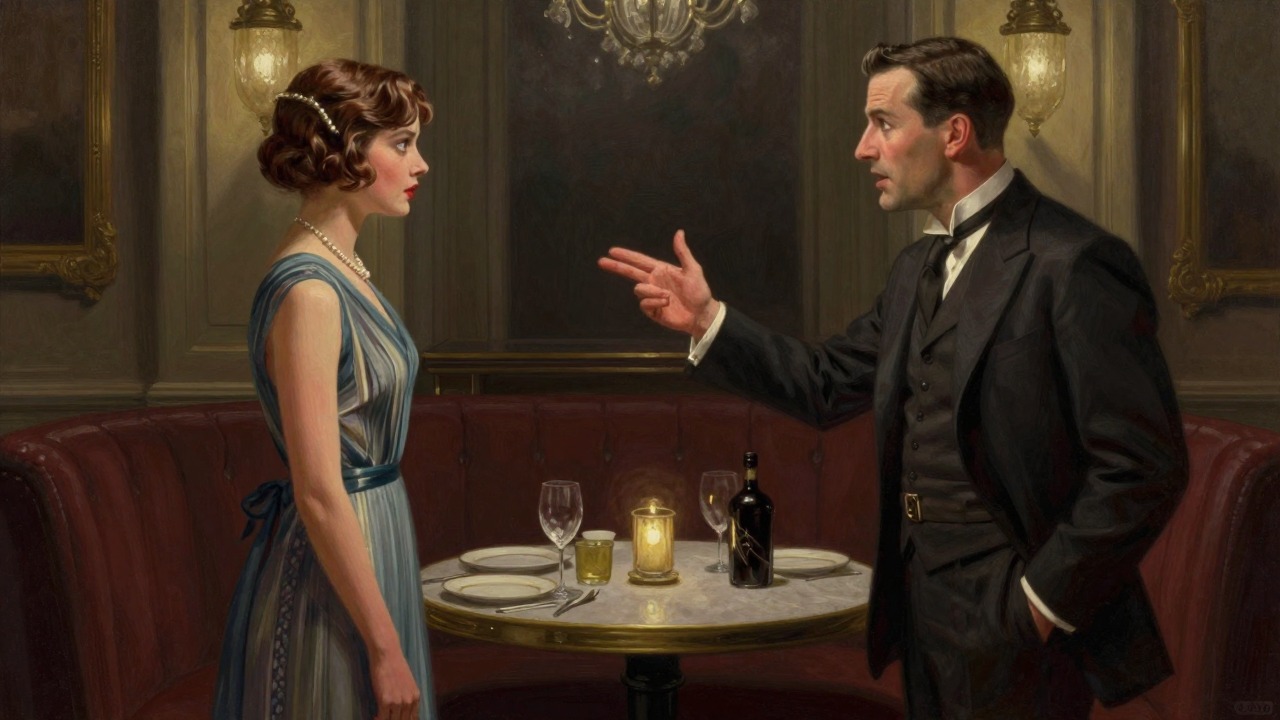
Tom Buchanan, suspicious of Gatsby's relationship with Daisy, forced a confrontation during a trip to New York. At the Plaza Hotel, Tom openly accused Gatsby of being a bootlegger and a fraud. The battle was for Daisy's loyalty.
Daisy's Hesitation
Gatsby demanded that Daisy say she never loved Tom. She hesitated, admitting that she had loved Tom once, but also loved Gatsby. The moment shattered Gatsby's illusion. He realized that Daisy could not simply erase her past with Tom.
Tom's Victory
Tom, confident in his wealth and social position, exposed Gatsby's criminal activities. He revealed that Gatsby's fortune came from bootlegging and the drug trade. Daisy recoiled, unable to align herself with such a world. Tom, having won, sent Daisy home with Gatsby, a final humiliation.
The Death of the Dream
The Death of the Dream
The Accident
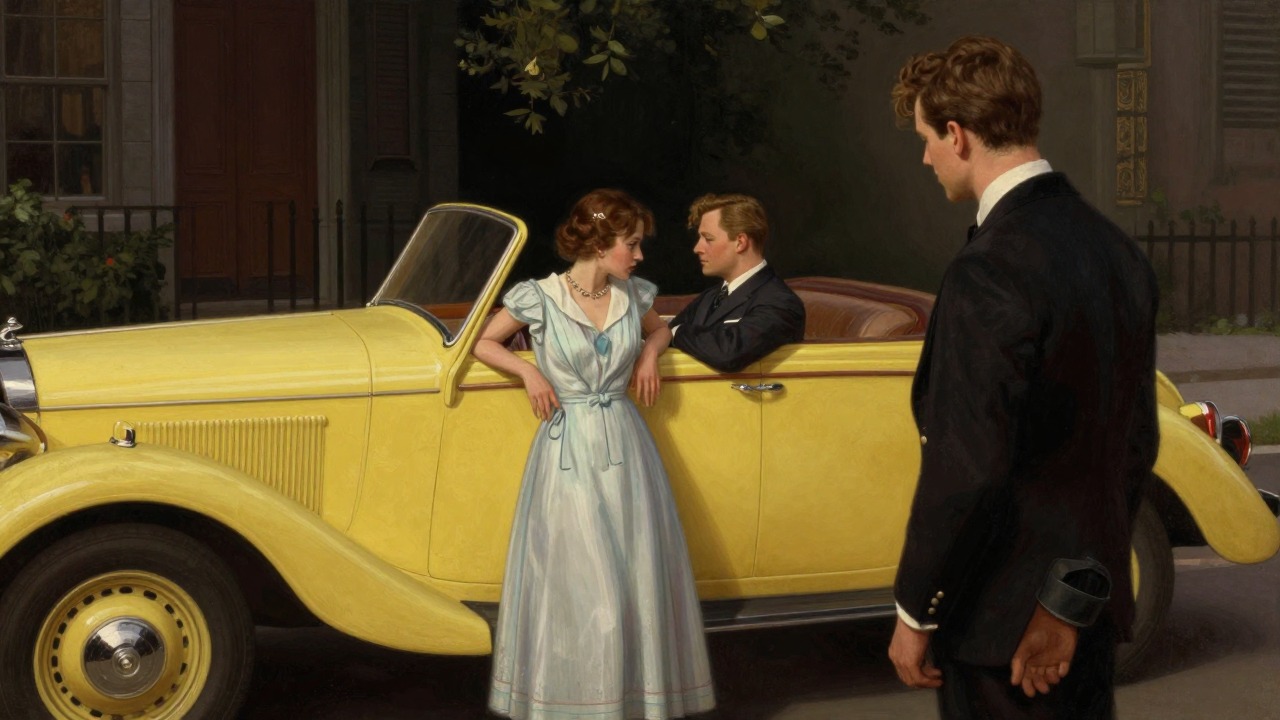
On the way back from New York, Daisy, driving Gatsby's yellow car, struck and killed Myrtle Wilson. Gatsby took the blame, believing that Daisy would eventually leave Tom and come to him. He waited outside the Buchanans' house, watching over her.
The Vigil
Gatsby stood guard all night, hoping that Daisy would signal him. She never did. Instead, Tom and Daisy reconciled, conspiring together over cold chicken and ale. Gatsby's dream was already dead, though he refused to admit it.
The Final Blow
George Wilson, believing Gatsby was the driver and the man having an affair with Myrtle, shot Gatsby dead in his swimming pool. The dream ended in violence and tragedy. Gatsby's death was the culmination of his relentless pursuit of an unattainable past.
1917, Louisville
1919-1922, after the Armistice
late July 1922, West Egg
hot afternoon, late summer 1922, Plaza Hotel
later that evening, after the accident
